



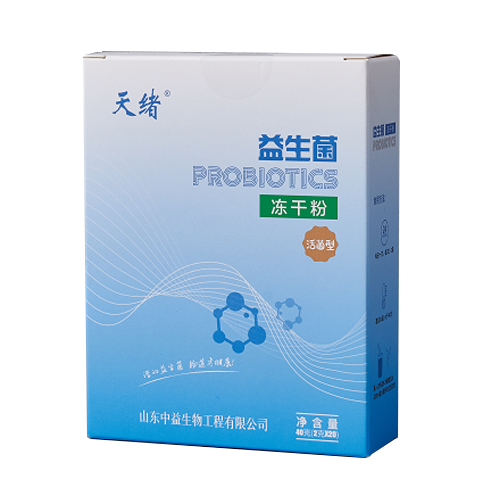
In the OEM production process of probiotic enzymes, controlling the fermentation temperature is a key link to ensure product quality and stability. The fermentation temperature not only affects the growth and reproduction of probiotics, but also directly affects the activity of enzymes and the effectiveness of products. Therefore, OEM manufacturers need to take a series of measures to control the fermentation temperature.
1、 The Importance of Fermentation Temperature
Effects on probiotic growth: Probiotics are temperature sensitive, and an appropriate temperature range can promote their rapid growth and reproduction, increasing bacterial concentration.
Affects enzyme activity: Fermentation temperature directly affects the synthesis and activity of enzymes. Excessive or insufficient temperature can lead to enzyme inactivation or hindered synthesis.
Impact on product quality: A stable fermentation temperature helps maintain product consistency and stability, ensuring that the quality of each batch of products meets the requirements.
OEM manufacturer of probiotic enzymes
2、 Control method of fermentation temperature
Choose appropriate fermentation equipment:
OEM manufacturers usually choose fermentation tanks or fermenters with temperature control functions.
These devices are typically equipped with heating and cooling systems that can automatically adjust according to the set temperature.
Set the appropriate fermentation temperature range:
Set a suitable fermentation temperature range based on the type and characteristics of probiotics.
Generally speaking, the fermentation temperature range for probiotics is between 30 ℃ and 40 ℃, but the specific temperature needs to be adjusted according to the strain and fermentation conditions.
Real time monitoring and adjustment:
During the fermentation process, temperature sensors are used to monitor the temperature of the fermentation broth in real-time.
When the temperature deviates from the set range, adjust the heating or cooling system in a timely manner to quickly restore the temperature to the appropriate range.
Segmented control of fermentation temperature:
The fermentation process is usually divided into different stages, such as bacterial growth period, product synthesis period, and bacterial autolysis period.
At different stages, adjust the fermentation temperature according to the growth and metabolic characteristics of probiotics to optimize the fermentation effect.
Consider other influencing factors:
In addition to temperature, the pH value, dissolved oxygen level, and stirring speed during the fermentation process can also affect the growth of probiotics and the synthesis of enzymes.
OEM manufacturers need to consider these factors comprehensively and develop reasonable fermentation process parameters.
Probiotic Enzyme OEM Supplier
3、 Challenges and Solutions for Fermentation Temperature Control
Challenge:
Temperature fluctuations are difficult to avoid during the fermentation process, especially in large-scale production.
Different batches of raw materials and strains may have differences, making it difficult to control the fermentation temperature.
Solution:
Adopting advanced temperature control technology and equipment to improve the accuracy and stability of temperature control.
Strict quality testing and control are carried out on raw materials and strains to ensure that each batch of raw materials and strains meets the requirements.
Establish a comprehensive database of fermentation process parameters and adjust fermentation process parameters in a timely manner based on the production situation of different batches.
4、 Summary
The fermentation temperature control of probiotic enzyme OEM manufacturing is a complex and critical process. By selecting appropriate fermentation equipment, setting a suitable fermentation temperature range, real-time monitoring and adjustment, segmented control of fermentation temperature, and considering other influencing factors, OEM manufacturers can control the fermentation temperature to ensure the quality and stability of probiotic enzymes. At the same time, facing the challenge of fermentation temperature control, enterprises need to continuously adopt advanced technology and equipment to improve the accuracy and stability of temperature control, in order to meet market demand and consumer expectations.
Post time: 2025-04-22


